Resilience Is About Going With the Flow - TGL
Jan. 7, 2026Resilience isn't about pushing through; it's about adapting
What *The Good Life* Teaches Us About Aging, Loss, and New Connections
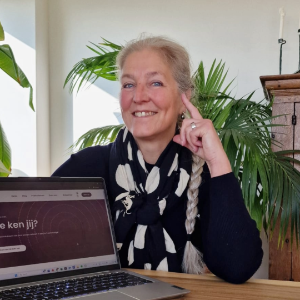
I can hardly believe it myself, but I turned 60 last year.
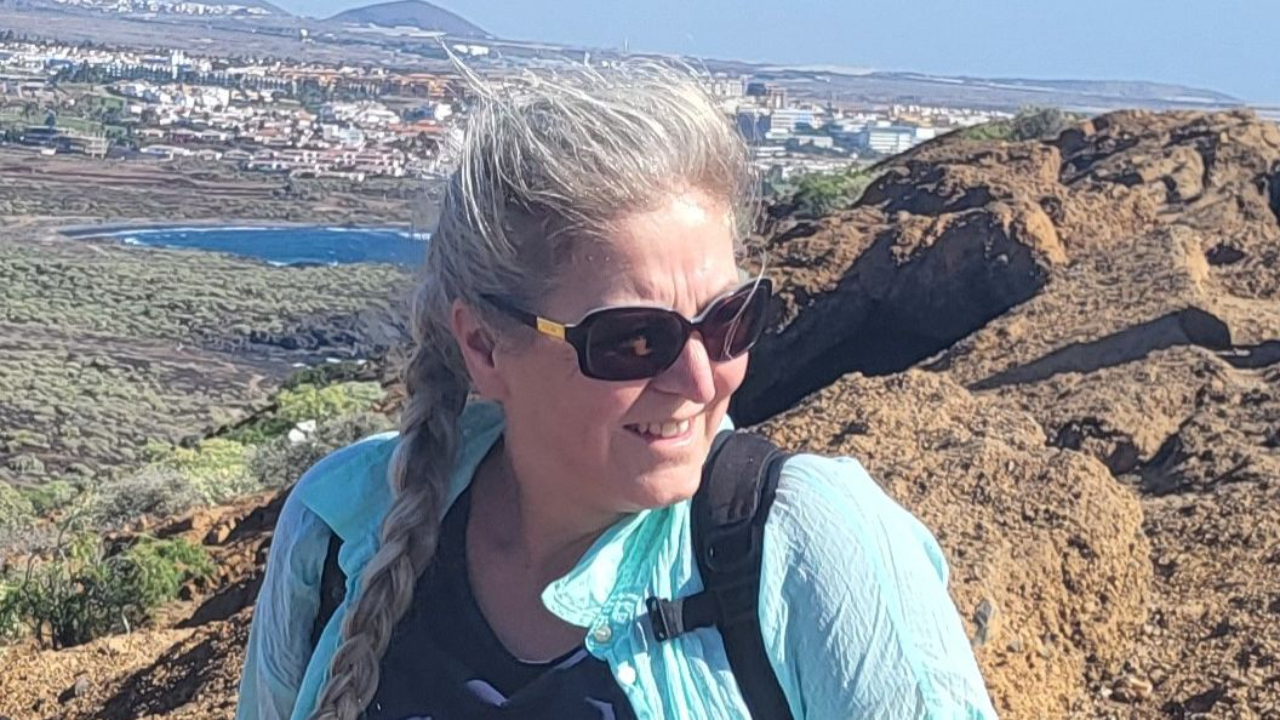
It doesn’t feel that way in my head yet. After all, I still have my whole life ahead of me—at least another thirty years. At the same time, I notice that my body sometimes sends different signals. Minor aches linger a little longer. Recovery takes more time. And recently, an injury forced me to take an extended break and limit my activity.
That may sound trite, but it had a greater impact than I had expected. Not just physically, but socially as well.
When the connection is lost
A large part of my social network—without me really realizing it—was centered around sports and exercise. Playing sports together, being outside together, staying active together. When that fell away, so did many opportunities to connect. Not intentionally, not out of a lack of willingness, but because life suddenly took a different turn.
And yes, I always say that the social network is dynamic. That it changes in response to life events.
But experiencing how that feels is different from just knowing it.
It took me a moment to get over it.
What Resilience Really Is
In *The Good Life*, the longest-running study ever on happiness and health, Robert Waldinger and Marc Schulz do not describe resilience as “carrying on despite everything.” On the contrary, resilience turns out to be, above all, the ability to adapt to change and to adjust relationships to new circumstances.
Don’t cling to the past.
Don’t force what’s no longer possible.
Instead, ask: What is possible now?
The study shows that people who are able to do this—who dare to adjust and adapt their social lives—cope better with setbacks, feel less lonely, and experience greater well-being in later life.
Gratitude and Realism
What helped me during this time was the realization that I have a social foundation that will always be there. People who are there for me, even when I’m not exercising, not performing, or can’t “keep up.” That’s not something to be taken for granted. It’s something to cherish. At the same time, I realized that simply being grateful wasn’t enough. There came a moment when I felt: I want to do something again. Not to go back to the way things were, but to get my network moving again—in a way that fits who I am now. Also because life is increasingly taking place “in and around the house.” That suddenly brought into focus what many older people in my immediate circle experience every day.
You know, rationally speaking. But experiencing it for yourself gives you a different perspective.
Make an effort
Over the past few months, I've put a few ideas into action that had been on my mind for a while. Small steps, no grand plans.
Singing in a neighborhood sing-along choir or cooking for people in my apartment building.
If I’d kept exercising the way I used to, I probably never would have gotten around to it. And now I’m realizing how rewarding it is. Singing is a boost for both body and mind: an hour of making music, breathing together, laughing together. I enjoy cooking when I have the time—and having a table full of people makes it twice as fun.
As the Brabant comedian “Theo Maassen” so aptly puts it: “You really have to make an effort.”
Without effort, life comes to a standstill. Without taking action, you’ll soon find yourself sitting at home doing nothing.
Relationships change — and that's okay
The Harvard study is clear on this point: social networks are constantly changing. Some relationships deepen, while others fade. That’s not a failure. That’s life.
I, too, have to admit that some valuable connections are no longer feasible. Sometimes they fade away quietly; sometimes because we’ve lost touch. Is that a bad thing? No. Is it sometimes painful? Yes. Especially when you want more than is realistically possible.
That is precisely why choosing your relationships becomes more important as you get older. You can't do everything. Not everyone fits into every stage of life. And that requires awareness.
Gaining insight to make a choice
What helps me is making my social network visible—not to judge, but to understand.
- Who's here?
- Where is the reciprocity?
- What drains your energy, and what gives you energy?
I also use the “ MLM-Tool ” for myself. By literally visualizing my relationships, I see things I would otherwise overlook. It helps me make realistic choices—to accept that some connections need space, while others require attention.
That's not a loss. That's maintenance.
The Essence of The Good Life
What *The Good Life* ultimately teaches us is this:
a good life is not a fixed destination. It is an ongoing process of attuning, adapting, and connecting.
Resilience isn't about staying who you used to be.
Resilience is about daring to become who you can be right now—alongside the people who fit into that.
And perhaps that’s one of the most important lessons of growing older:
You don’t have to take everything with you, but what remains deserves our attention.
Author