

Forming a blended family is a significant step that brings unique challenges and opportunities. In addition to adjusting to new family dynamics, the social network also plays an important role in how a blended family forms and functions. Family, friends, and acquaintances can either help or cause difficulties, depending on how they react and what role they play. In this blog, we’ll discuss how family and friends influence a blended family and offer tips for a smooth transition.
The Positive Role of Family and Friends in a Blended Family
A support network can be an important source of strength for blended families. Family and friends who accept the new family structure and respond positively give the partners and children a sense that they are heard and respected. This support can increase the sense of security, helping family members feel at home in their new situation more quickly. Grandparents, uncles, aunts, and friends can help by spending time together, listening to the family’s needs, and offering their input.
For children, it is especially important that their social network provides a stable foundation. In a blended family, their daily routine often changes significantly, and maintaining familiar relationships can help them continue to feel connected. Family members and friends who are open to all family members can help build trust and strengthen relationships. Organizing shared activities, such as family gatherings or outings, can help strengthen bonds and create an inclusive atmosphere.
Challenges Arising from Loyalty Conflicts and Past Relationships
On the other hand, loyalty conflicts and negative reactions within the social network can also put the blended family to the test. Parents may have to deal with an ex-partner, in-laws, or friends who find it difficult to accept the new partner. This can cause tension and affect how children find their place within the new family. Children also sometimes feel a sense of loyalty toward their other parent, which puts them in a difficult position. When family members do not fully accept the new family structure, children can become confused and have trouble feeling at ease.
A divided or hostile support network can also put a strain on a relationship. When one partner does not feel supported by family or friends, this can lead to feelings of isolation. It is important for partners to set boundaries together and treat every member of their support network with respect, even when there are differences of opinion.
Building Your Own Network
For blended families, it’s often valuable to forge new connections outside of their existing networks. These might be new friends or people who have had similar experiences. Families that engage in activities and seek out new social circles together build a shared foundation that is independent of their past. Participating in sports clubs, organizations, or parent meetings can help both parents and children find new sources of support and feel like they are part of a broader community.
Tips for Building a Stronger Network in a Blended Family
- Involve your network step by step:
Take the time to redefine your relationships with family and friends. Have conversations about what you need, and ask for understanding and patience during this transition. - Create inclusive moments:
Organize group activities that involve all family members and friends to build trust and create an atmosphere of acceptance. - Communicate openly about boundaries and expectations:
Set clear boundaries together regarding contact with ex-partners, and let your social circle know what your expectations are, so that everyone understands and respects their role. - Find like-minded people:
Find support in groups of other blended families to share experiences and support one another in everyday challenges.
The Social Network as a Mainstay
A blended family develops its own unique dynamic, in which the social network can serve as a pillar of support. An understanding social network makes the transition smoother and helps all family members settle into their new situation. By making conscious choices in maintaining and building a supportive network, blended families can create a solid foundation in which all family members feel welcome and valued.
Author
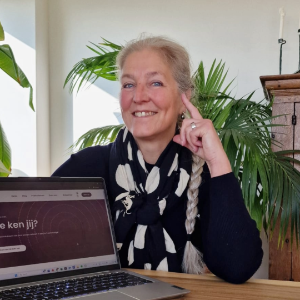
Angelique van Dam
Founder & Developer
Angelique writes about the power of social networks. She believes that no one has to go it alone—with the support of others, you’ll find your way.