
Divorce and Your Social Network
Feb. 2, 2025A divorce is a life-changing event that affects not only the partners but also their children, family, and friends. In addition to the emotional process of saying goodbye, the social network often changes as well. In this blog, we’ll examine the effects of divorce on family ties and social networks.
Family Ties Under Strain
During a divorce, family ties are often put under strain. Partners who once supported each other must now learn to be independent, which can be especially difficult at first. The breakup can also create distance between in-laws and friends, who are sometimes forced to take sides. This can lead to the loss of connections that were once taken for granted.
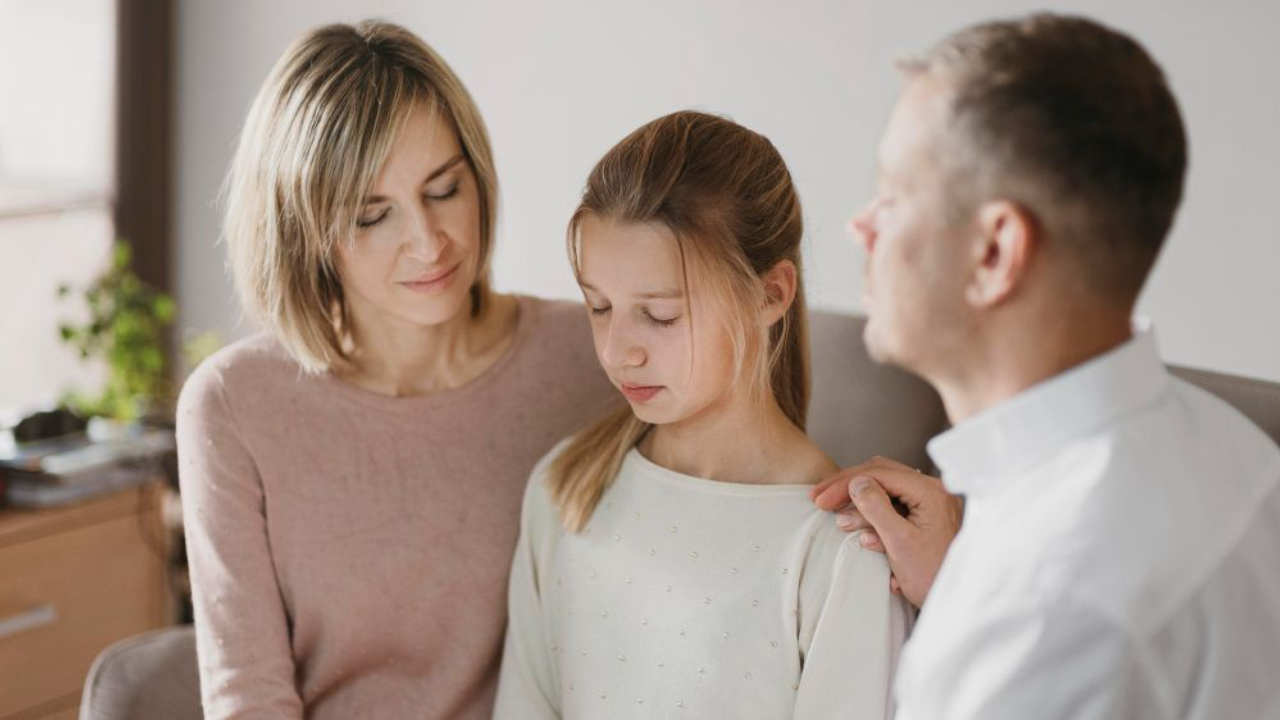
For children, the impact is often even greater. They see their parents separate and have to adjust to a new family dynamic and routine. They may lose daily contact with one of their parents and have to deal with their parents’ new partners. This can cause confusion and uncertainty, especially if communication between the former partners is strained.
Changes in the social network
In addition to changes within the family, a divorce often has consequences for the broader social network. Mutual friends sometimes have to choose whether to stay in touch with both partners or just one of them. Friends and acquaintances sometimes feel uncomfortable and don’t know how to behave. As a result, both partners’ social networks may shrink, especially if friends and family distance themselves to avoid awkward situations.
For children, their social network may also change. If they spend less time with one of their parents, they often lose contact with that parent’s friends and family as well. For example, they may see their grandparents, uncles, aunts, or cousins on their father’s or mother’s side less often, which can diminish their sense of connection. Sometimes these relationships can be rebuilt, but this requires a great deal of effort from both parents.
Building New Relationships After a Divorce
Although a divorce can lead to a loss of social connections, it also offers opportunities to build new ones. Partners who move on alone often seek out new social circles for emotional support or to feel less lonely. This may involve forming new friendships, taking up new hobbies, or reconnecting with old friends. Some join support groups for divorced parents, where they find support and share experiences with others in similar situations.
For children, this can also be an opportunity to make new friends, often at school or in their new neighborhood. They do need their parents’ guidance, however, to help them cope with loss and gain confidence in their social skills. Read here for10 opening linesthat can be used to make that connection.
The Importance of Support and Connection
A divorce affects not only the immediate family but also the broader social network. It’s important for everyone to maintain or rebuild a strong and supportive network. This can be a huge help in coping with the emotional impact of a divorce. For parents, this means being open to new connections and maintaining healthy relationships with existing friends. For children, it is crucial that they remain in a safe environment where they feel supported and loved.
By consciously navigating the dynamics of the social network, the impact of a divorce can be mitigated, and a new foundation can be laid for the future.
In a nutshell
- A divorce changes family ties and one's social network.
- When a couple divorces, family members and children often lose their familiar connections.
- A divorce changes not only relationships but also one's social life.
Divorce?
Discover the power of your social network now!
Author